Trimlight vs. Competitors | Permanent LED Lighting Brands Compared
Homeowners researching permanent LED roofline lighting have more options than ever, and it helps to see them side by side. This page gives you a...
7 min read
Trimlight : 3/7/25, 1:58 PM
Table of Contents
Exterior lighting problems tend to fall into two categories: fixtures exposed to the weather that wear down over time, and fixtures aimed outward that fight against your home's design instead of working with it. Outward-facing residential permanent lights manage to hit both problems at once, which is what makes them less efficient than a protected system overall: more repairs, more light wasted spilling past the house instead of landing on it, and less payoff for what homeowners already spent to have them installed.
This page covers what goes wrong with outward-facing fixtures on both fronts, durability and design, and how Trimlight's soffit-mounted design solves both problems with the same installation.
This is why investing in a Trimlight system is a wise choice for those looking to elevate their lighting game. Unlike permanent outdoor-facing lights, Trimlight offers a sleek, customizable design that seamlessly blends into any home or landscape. Trimlight systems are installed under the soffit.
This enhances durability and the overall appearance of your space. It also ensures efficient illumination without compromising on style.
Read on to discover why outward-facing residential permanent lights are less efficient than Trimlight and how this innovative lighting solution can transform your space into a well-lit, visually striking masterpiece.
Lighting mounted outward and exposed to the weather takes a beating year after year. Every season brings a fresh round of moisture, sun, and temperature swings, and that exposure is the source of nearly every maintenance problem outward-facing systems run into.
Rust, corrosion, and wiring failures build up gradually in fixtures that face the weather head-on. Wiring is especially vulnerable, since moisture and temperature swings break down insulation over time and eventually cause flickering, shorts, or full system failures. Homeowners end up in a repeating cycle of repairs and replacements that never really resolves, since the fixture is exposed to the same conditions again as soon as it's fixed.
Trimlight avoids this cycle by installing under the soffit instead of leaving the system out in the open. That placement, combined with weather-resistant wiring and a patented channel, keeps rain, snow, and direct sun off the hardware in the first place, which is a more durable fix than replacing parts as they wear out and it's backed by Trimlight's lifetime parts warranty.
Constant sun exposure fades and discolors exposed plastic and fixture housings, leaving them looking worn even when the system still works. Trimlight's bulbs sit under the soffit and face downward inside a patented channel, which shields them from direct UV exposure and helps the finish hold up instead of yellowing or fading with age.
Extreme conditions push outward-facing systems even further past their limits. Extreme heat, heavy snow, and salt-laden air near the coast all accelerate the same rust, corrosion, and fading problems, since the fixture has no real protection from any of it.
Trimlight's soffit-mounted placement holds up under those same conditions instead of breaking down faster in them. Keeping the hardware out of direct exposure means homeowners in harsher climates do not have to choose between a permanent lighting system and one that actually lasts through the seasons it is supposed to withstand.
Beyond durability, the direction the light points changes how the house actually looks after dark. Outward-facing fixtures throw brightness into open air rather than onto the home, and that misdirection is what causes most of the design complaints homeowners have with these systems.
When light floods empty space instead of landing on a surface, there's nothing to catch it and create contrast, so brick, stone, trim, and other textured materials lose the shadow they need to read as three-dimensional and flatten out at night even on a well-designed home. The fixture itself also becomes the focal point instead of the architecture behind it, since the eye goes straight to the bright point of light rather than the roofline, columns, or entryway it's supposed to highlight.
Outward-facing bulbs send color straight into a viewer's line of sight instead of onto a surface first, which makes even a soft setting look more like a spotlight than part of the home's design. Without a wall or trim to land on, the color spreads without direction and reads as scattered rather than intentional.
That same lack of a landing surface is also what pushes color past the property line and into windows or seating areas that were never meant to be lit. With nothing to break the color up or add contrast, the display comes across as loud rather than intentional. Trimlight's downward angle gives every color setting a surface to land on first, which keeps things looking clean and controlled instead.
Many outward-facing systems come in one fixed setup, which leaves homeowners working around the light instead of adjusting it to fit an occasion or season. A bold display that works for the holidays can look out of place in the middle of summer, and there is rarely an easy way to tone it down. Trimlight avoids that limitation entirely, since the same fixtures adjust for any color, pattern, or brightness level a homeowner wants, without needing to reposition or replace anything.
Because outward-facing light has no surface to shape it, it looks different depending on where you're standing, with a setup that seems balanced from the street often looking uneven and harsh from the driveway or front step.
That same undirected brightness routinely spills past the property line too, landing in a neighbor's driveway, windows, or outdoor seating area, so what was meant to improve curb appeal ends up creating light pollution for whoever lives next door.
Beyond the durability and glare problems already covered, a handful of smaller issues tend to show up the longer a homeowner lives with an outward-facing system.
Forward-facing bulbs often give off a festive look even with simple color choices, which can feel out of place once spring and summer roll around. The issue is not the color itself, it is how much the light stands out. Trimlight's downward light stays low-key enough to work through every season without making a house look like it never took its decorations down.
Homes with clean lines and simple shapes depend on even, controlled light to keep that look intact after dark. Glare breaks up sharp edges and corners, softening the kind of bold geometry modern designs are built around. Uneven brightness has a similar effect on symmetry, since one bright section next to a duller one makes the whole exterior look off-center or unfinished.
Roofline glare causes a version of the same problem. When the top of a home is too bright, the eye goes straight there and ignores everything below it, leaving walls and entry points looking dark and disconnected by comparison. Trimlight's even, downward spread avoids both issues by giving every part of the structure a proportional amount of light instead of concentrating it in one place.
Exposed bulbs collect dust, streaks, and sun fading in plain sight, and because they sit out in the open, that wear shows up fast, especially during the day. The same exposure causes problems after dark too, since cameras struggle with the harsh contrast outward-facing bulbs create, blowing out the brightest points while the rest of the house falls into shadow. Trimlight's recessed, downward design stays out of view when it is not needed and produces even enough light that photos of the house actually look like the house.
The fix for both the durability and design issues turns out to be the same one: mount the system under the soffit, protect it in a patented channel, and point the light down at the house instead of out into open space. That combination is what makes Trimlight more efficient to own over time, less spent on repairs and replacements, and less light wasted on empty yard space instead of the house itself.
Installing under the soffit keeps Trimlight's bulbs and wiring out of direct rain, snow, and UV exposure, which is what prevents the rust, corrosion, and fading that wear down outward-facing systems. The same placement keeps the hardware low-profile and out of sight during the day, so there's no bulky housing or exposed wiring competing with the home's appearance when the lights are off.
Factory-trained installers handle the setup, which avoids the wiring mistakes, poor placement, and loose fixtures that cause many of the failures outward-facing systems experience. That professional installation is part of why the protection holds up over time instead of breaking down after the first few seasons.
Trimlight's light aims across the surface of the house rather than into the yard, landing on brick, stone, siding, and trim and giving those materials the shadow and contrast they need to show texture at night. Walkways, driveways, and entry points stay visible without needing the whole yard flooded with brightness, so homeowners get safety and curb appeal from the same fixtures instead of having to choose between them.
Lights that point outward are directly exposed to rain, snow, and constant UV rays, which leads to faster wear. Trimlight is installed under the soffit and points downward, which keeps the system shielded from the elements that cause rust, corrosion, and fading.
Yes, in most cases. Undirected light floods open space instead of landing on the surface of the home, which removes the shadow and contrast that give texture to brick, stone, and trim.
No. Trimlight uses a low-profile channel that is color-matched to your home’s existing trim. This makes the entire system virtually invisible during daylight hours, so you see the house, not the hardware.
It can. Because the light isn't directed onto a surface, it tends to spread into a neighbor's yard, windows, or driveway instead of staying on the property it was installed for. Trimlight's downward angle keeps the light focused on the home instead.
No, unless you are trained in electrical work. Improper wiring is a fire hazard and a common cause of flickering or tripped breakers. Trimlight requires professional installation from factory-trained technicians.
Stay connected with Trimlight. Subscribe for monthly news, product updates, and outdoor lighting inspiration.
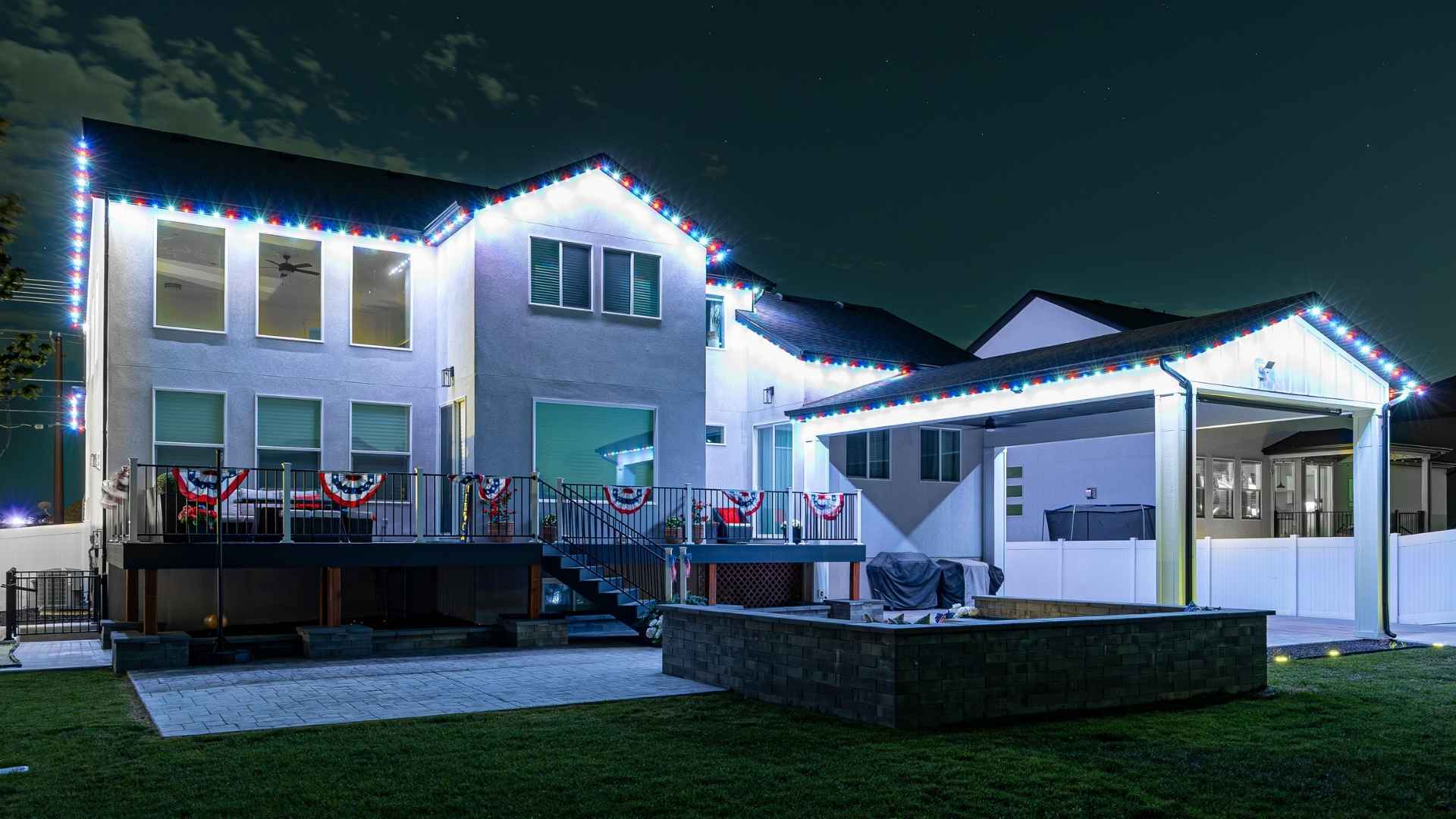
Homeowners researching permanent LED roofline lighting have more options than ever, and it helps to see them side by side. This page gives you a...
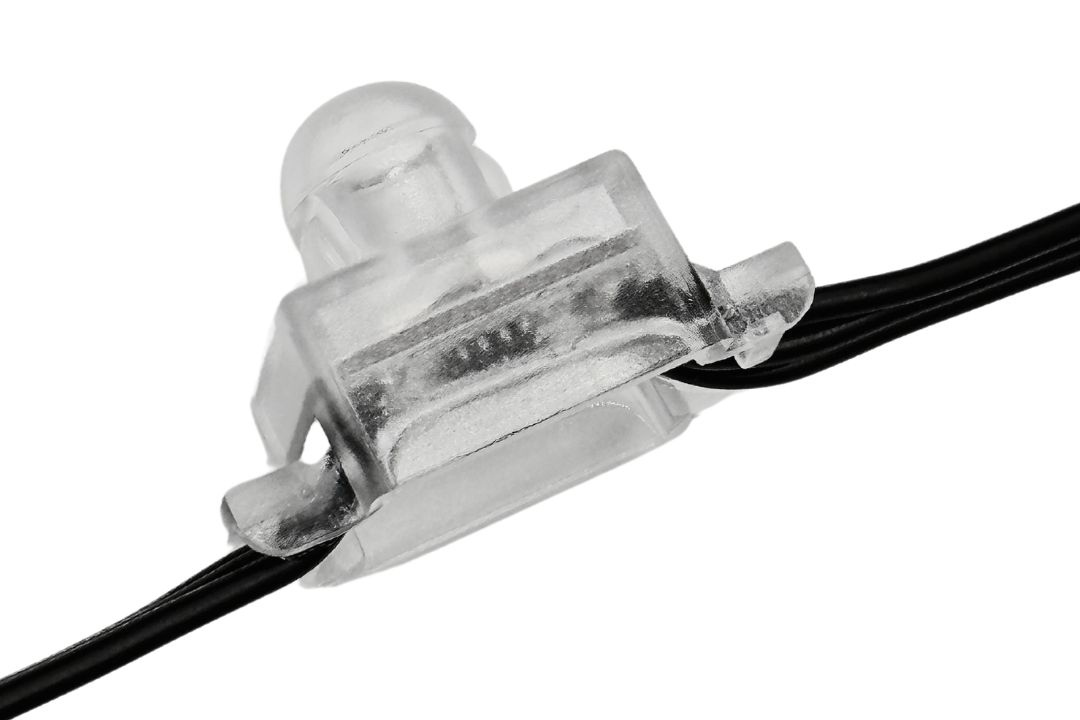
Doing your homework before choosing an exterior lighting solution for your property is a must. If you're new to the world of exterior illumination,...
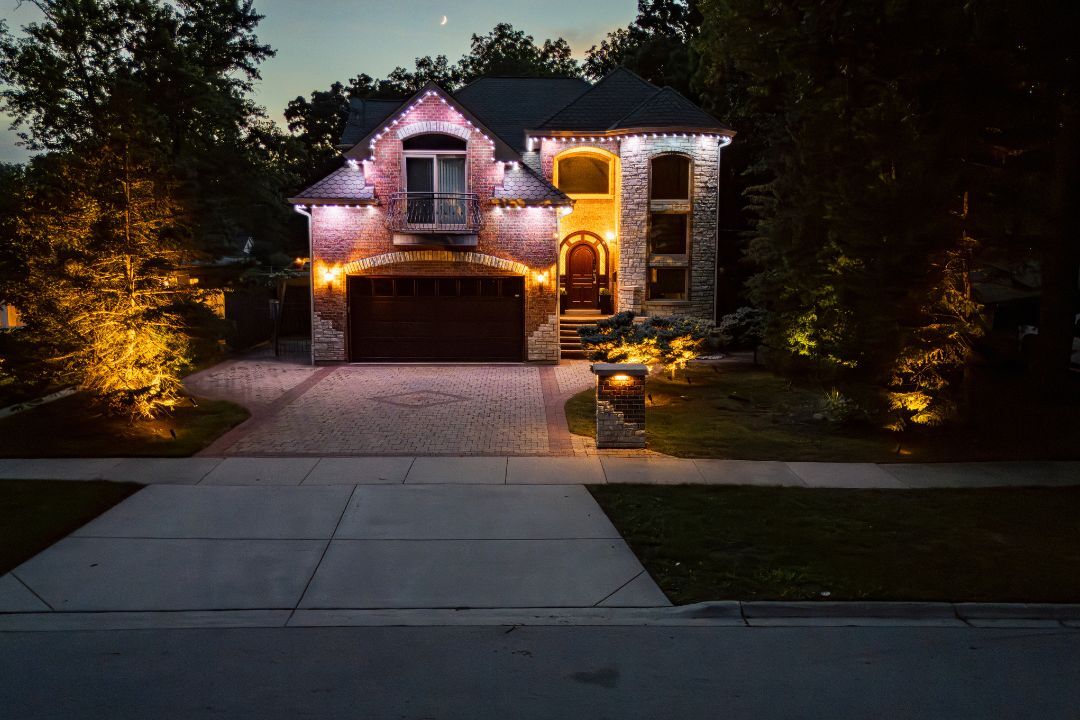
Most people don’t realize how much time and energy they waste on temporary lighting until they stop doing it. The yearly cycle of buying, hanging,...