<img height="1" width="1" src="https://www.facebook.com/tr?id=3559216621014946&amp;ev=PageView &amp;noscript=1">

5 min read

Can You Get Permanent Lights on a Townhome, Condo, or Rental?

Can You Get Permanent Lights on a Townhome, Condo, or Rental?
8:39

Most conversations about permanent lighting picture a detached house with a roofline that belongs to one owner from end to end. Plenty of people live somewhere else. They might have a townhome that shares walls with neighbors, a condo where the building exterior belongs to the association, or a rental where someone else holds the deed. They want the same year-round lighting, and they wonder whether their living situation rules them out.

It usually doesn't, but the path looks different for each type of home. This guide covers who has authority over the exterior in each case, what a shared roofline changes about the design, how power and Wi-Fi factor in, and how renters can bring the idea to a landlord. The FAQ section at the end answers the questions that come up most often.

Key Takeaways

  • Permanent lights can go on townhomes, condos, and rentals, but someone other than the occupant usually has to sign off first.
  • Townhome owners often control their own exterior but still answer to an HOA on visible changes.
  • In most condo buildings, the roofline is a common element, so association or board approval comes before anything else.
  • Renters need written permission from the property owner, and because the system is permanent, it stays with the home.
  • On shared rooflines, lighting typically ends at the property line, so coordinating with neighbors can make the result look more intentional.
  • A hidden channel system that blends into the trim during the day tends to be an easier sell to boards and landlords than visible clip-on lights.

Owned Attached Homes vs. Rentals

The real question isn't whether lights can physically mount to an attached or rented home. They can. What changes is who owns the fascia, who controls how the exterior looks, and who ends up paying. Those answers mostly split along one line: whether you own the unit or rent it.

Townhome and Condo Owners

If you own a townhome or condo, permanent lights add value to a property that's yours. The catch is that ownership of the exterior itself varies. Many townhome owners hold title to their own walls and roofline, while most condo owners share the exterior with the rest of the building as a common element.

Either way, an HOA or condo board usually has a say in visible changes, so approval tends to be the first hurdle rather than the last.

Pros

  • The lighting adds value to a home you own and plan to enjoy
  • Shorter townhome rooflines often mean a smaller project total
  • Condo associations can approve a single install for the whole building

Cons

  • HOA or board approval is usually required
  • Shared rooflines mean the design has to stop cleanly at your unit
  • Condo power and Wi-Fi access may depend on common areas

Renters

Renters can get permanent lights too, but the property owner has the final word, and the system stays with the home after the lease ends. That makes it more of a partnership with the landlord than a personal purchase.

Pros

  • Landlords gain a lasting exterior upgrade that helps curb appeal between tenants
  • Tenants can often negotiate a cost split
  • Nobody has to haul out a ladder for seasonal lights again

Cons

  • Written landlord approval is a must
  • The lights stay behind when the tenant moves out
  • A short lease may not justify a large share of the cost

In-Depth Comparison: What Changes From One Home Type to the Next

Each living arrangement comes with its own gatekeepers and design questions. Here's how the details compare across townhomes, condos, and rentals, so you know what to sort out before a dealer comes out for an estimate.

Who Has to Approve the Install

Townhome ownership varies more than most people expect. In some communities you own the structure of your unit, exterior walls and roof included, while in others the HOA owns or maintains the exterior. Your deed and the community's governing documents spell out which one applies, and even outright owners usually face architectural guidelines.

Condos work differently. The roof, fascia, and exterior walls are typically common elements, so an individual owner generally can't authorize an install, even on the roofline directly above their unit. The better approach is a proposal to the board. Some associations prefer lighting the entire building so every unit matches, while others may approve specific areas like entryways, balconies, or a shared pergola, where Globe Lights can replace temporary string lights that sag and fade.

For renters, the property owner is the only approval that matters, and it should be in writing before anyone schedules an estimate. The system mounts to the home and is designed to stay, so it's an improvement to the landlord's property, not a decoration you pack up at move-out.

Shared Rooflines and Neighboring Units

On a row of attached units, your lighting will usually end where your property ends, and a lit section beside a dark one can look abrupt. Some homeowners talk with the neighbors on either side before installing, since a few adjacent units going in together creates a more continuous look, and each owner still controls their own lights through their own system.

Power and Wi-Fi Access

The system needs a power source near the installation. In a townhome that's usually your own exterior outlet, but in condos or rentals the most convenient outlet may be on a shared meter or in a common area, so settle who provides it and who covers the electricity before the install date.

Trimlight's controller connects over a 2.4GHz Wi-Fi network, so it needs a reliable signal from a router you control. In a larger condo building, your unit's router may be far from where the controller would mount, and a whole-building install may need its own network plan.

What Happens When You Move

Trimlight products carry a lifetime warranty on parts, and authorized dealers provide at least one year of labor coverage. Because the system stays with the property, whoever buys or rents the home next inherits it, and our guide on buying a home with Trimlight already installed covers what that next owner should check.

Why Trimlight Wins for Attached and Rented Homes

Boards, landlords, and HOAs tend to worry about the same things: how the lights look in daylight, whether the install damages anything, and whether the system will hold up. Those concerns line up well with how Trimlight is built.

A Daytime Look That Passes Review

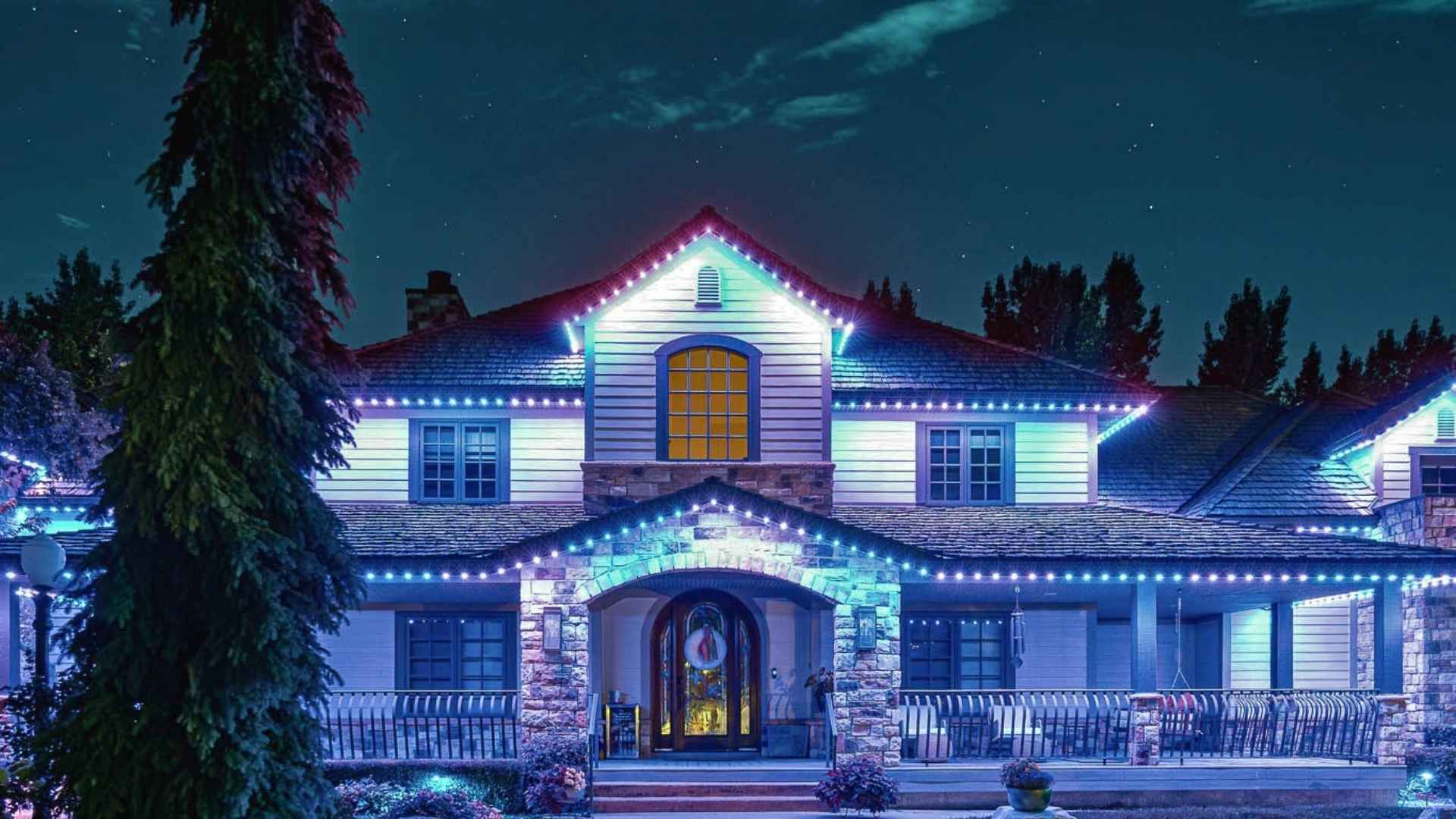
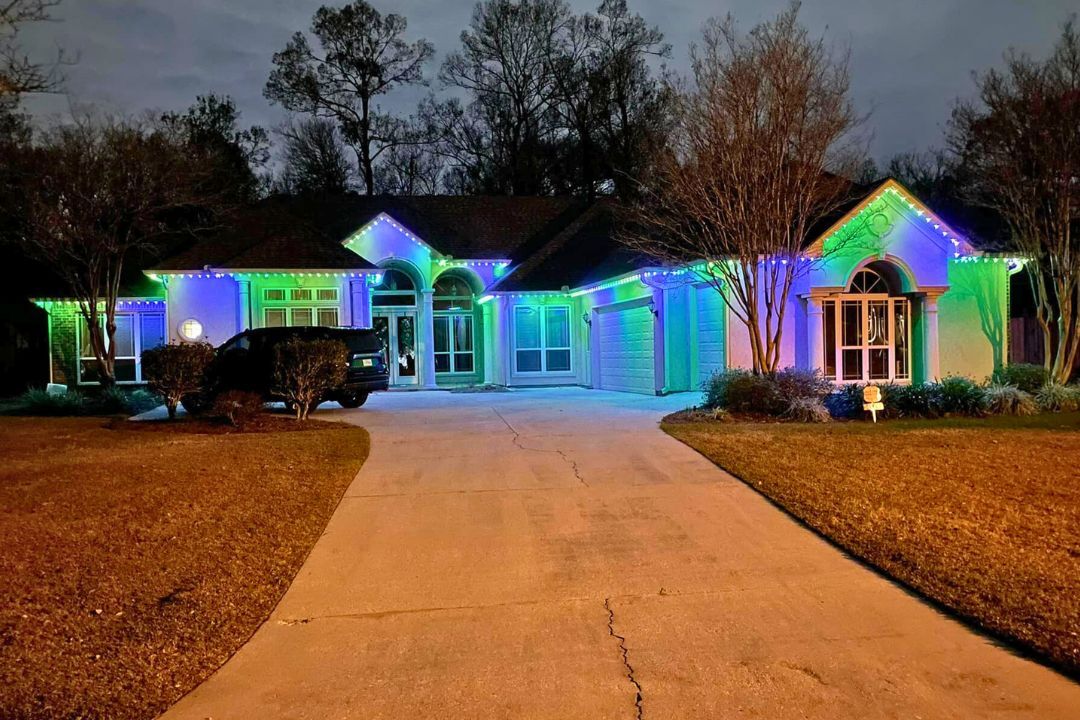
Trimlight's patented channel mounts to the fascia and hides every wire inside it, shielding them from sun, wind, ice, and birds. During the day, the system reads as part of the trim rather than an add-on, which matters a lot when a committee is picturing how their building will look in July.

That low profile is often the deciding factor for associations that have banned visible holiday light clips or cords. If a board is concerned about the roof itself, our article on what permanent lighting installation does and doesn't do to your roof addresses the common questions.

Built to Stay, Backed for the Long Haul

IP68-rated bulbs designed for years of nightly use, a lifetime parts warranty, and a network of more than 300 authorized dealers give property owners confidence that a permanent install won't become a maintenance headache. Trimlight has been building these systems since 2010, longer than any other permanent lighting company, and you can read more about how the channel was developed on our about page.

Frequently Asked Questions

Can you put permanent lights on a townhouse?

Yes, townhomes are a common fit for permanent lighting. Most owners just need to confirm their HOA's architectural rules before installing.

Can renters get permanent lights?

 Renters can have permanent lights installed with the property owner's written permission. Since the system is permanent, it becomes part of the property.

What happens where my townhome roofline meets my neighbor's?

The lighting typically ends at your property line. Coordinating with adjacent neighbors can create a continuous look across units.

How does Trimlight look on condo buildings during the day?

Trimlight's channel blends into the trim and hides the wiring, so the system is barely noticeable in daylight.

Does the Trimlight warranty apply to townhomes, condos, and rentals?

Trimlight's lifetime warranty covers parts regardless of home type, and authorized dealers provide at least one year of labor coverage.

Why Outward-Facing Permanent Lights are Less Efficient Than Trimlight

Why Outward-Facing Permanent Lights are Less Efficient Than Trimlight

Exterior lighting problems tend to fall into two categories: fixtures exposed to the weather that wear down over time, and fixtures aimed outward...
Read More
Buying a Home with Trimlight? Here is What To Check First

Buying a Home with Trimlight? Here is What To Check First

A permanent lighting system on the roofline isn't something most buyers think to ask about during a home tour. It's easy to notice, easy to like, and...

Read More
Permanent Roofline Lighting — Installation Process and What To Expect

Permanent Roofline Lighting — Installation Process and What To Expect

For most homeowners, the decision to move forward with permanent roofline lighting comes down to two questions: what does it look like when it is...

Read More